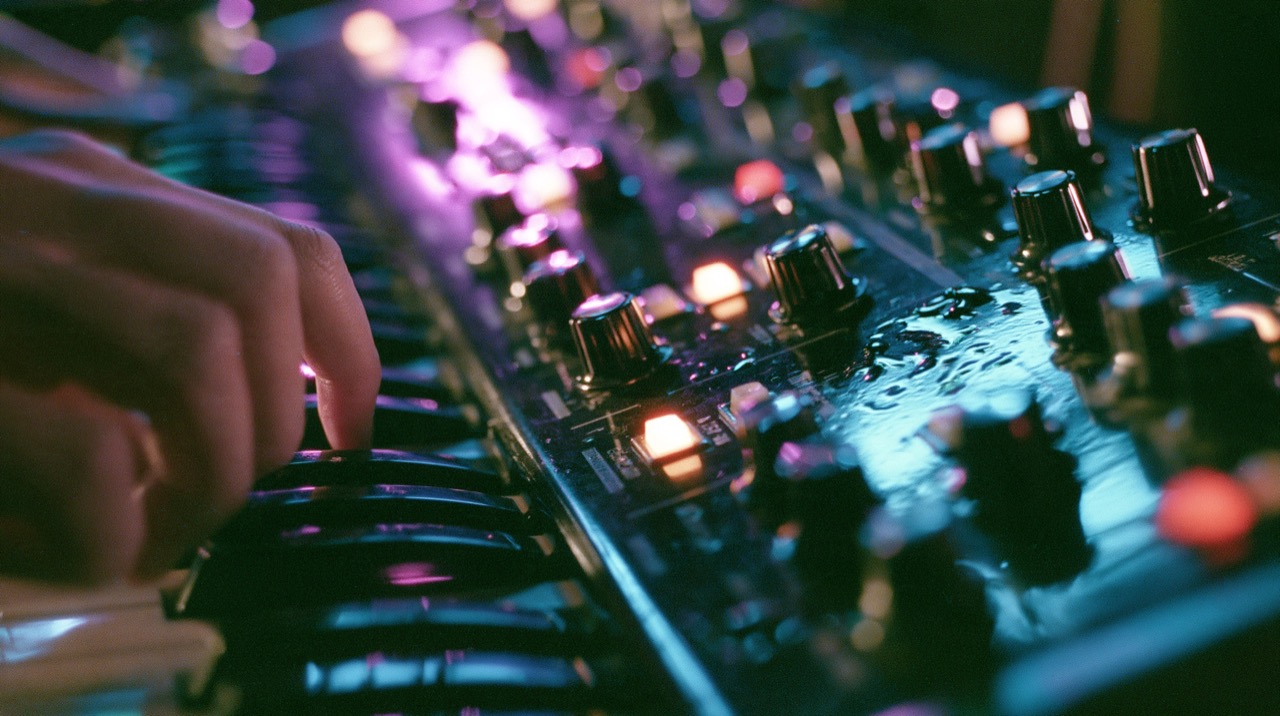
deep house
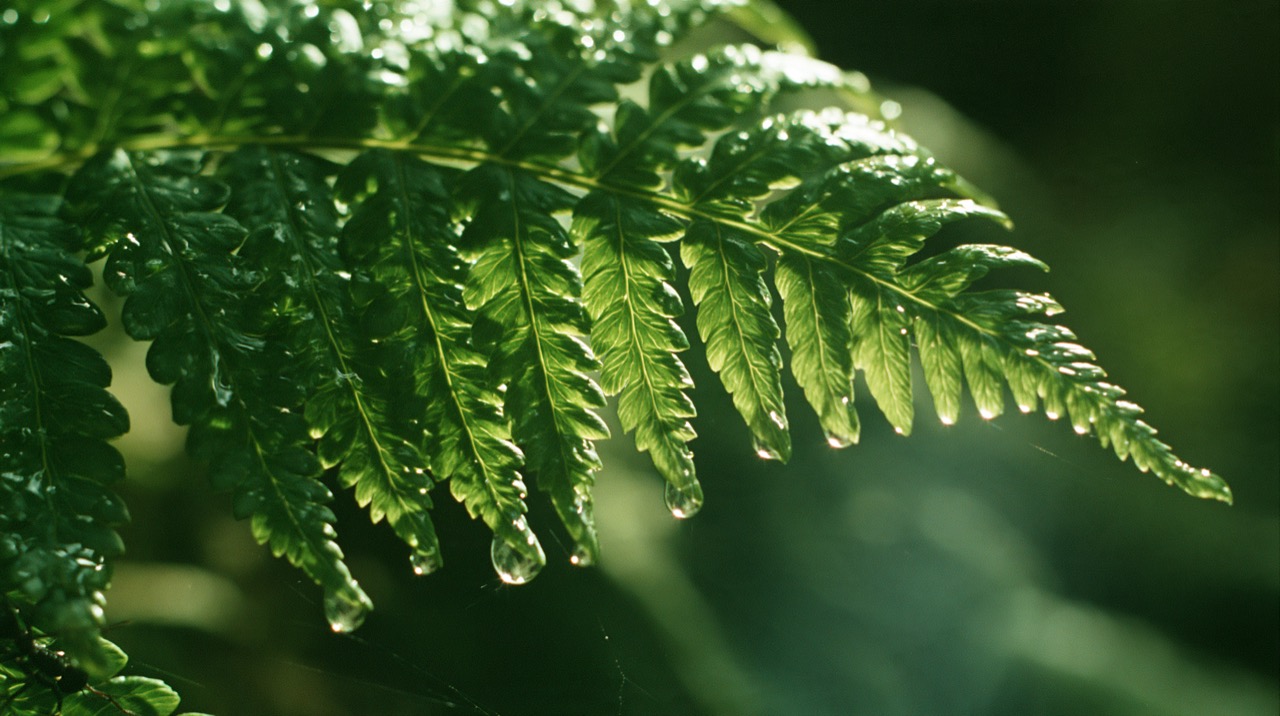
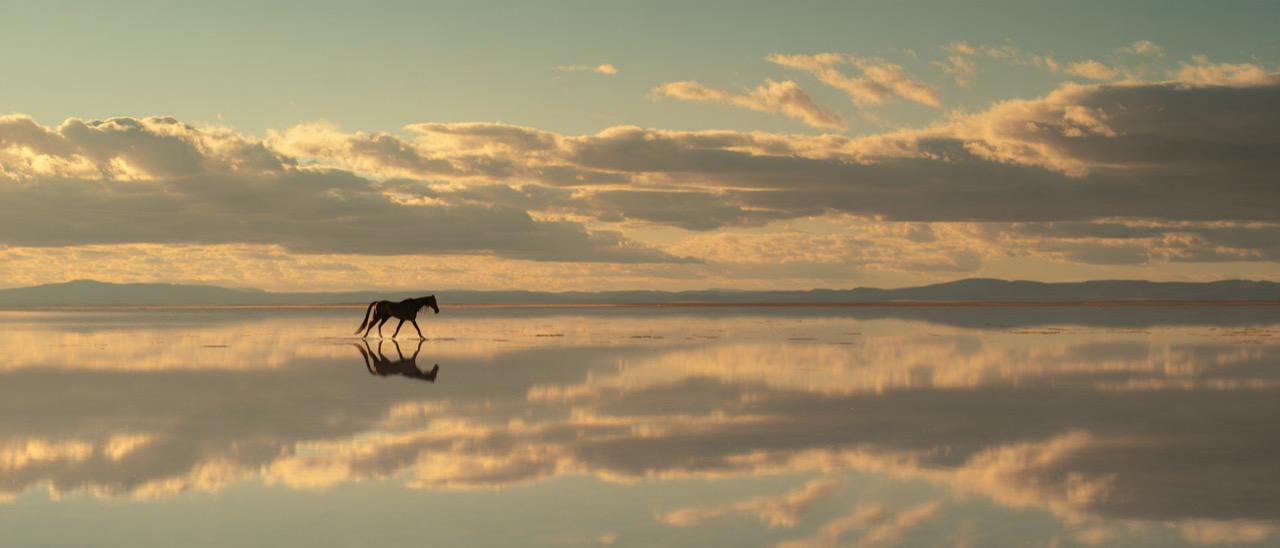
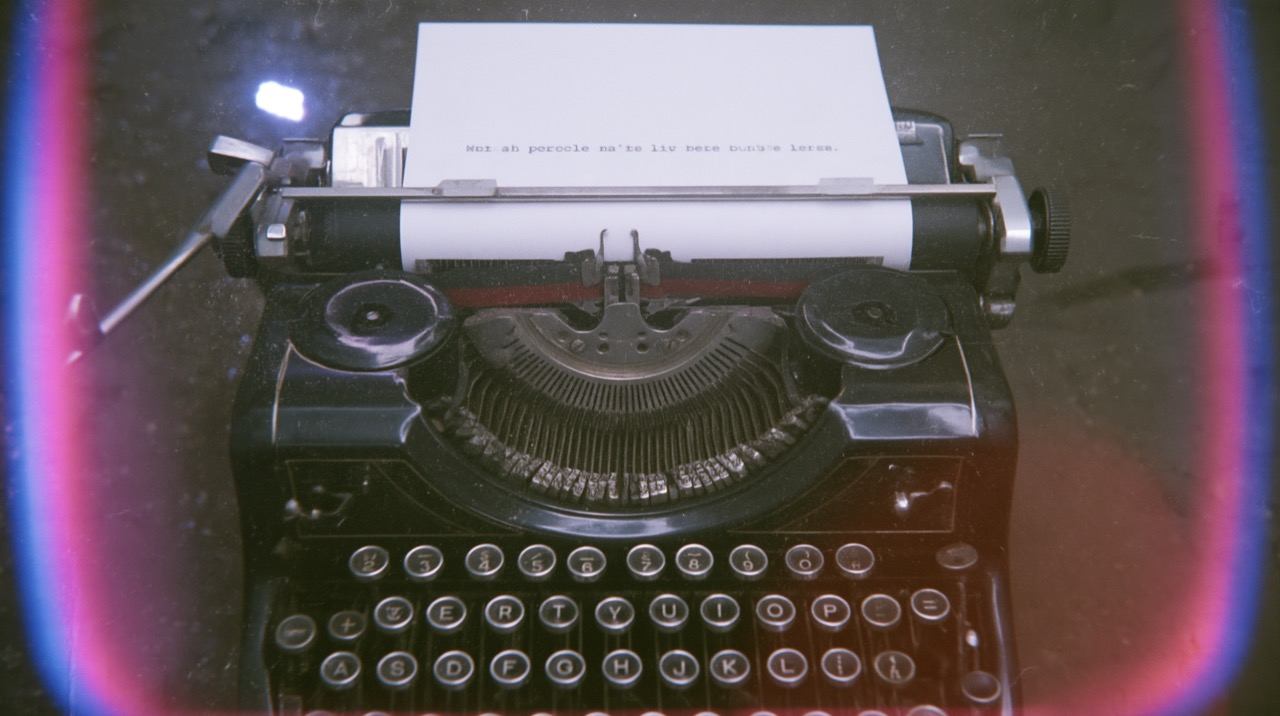
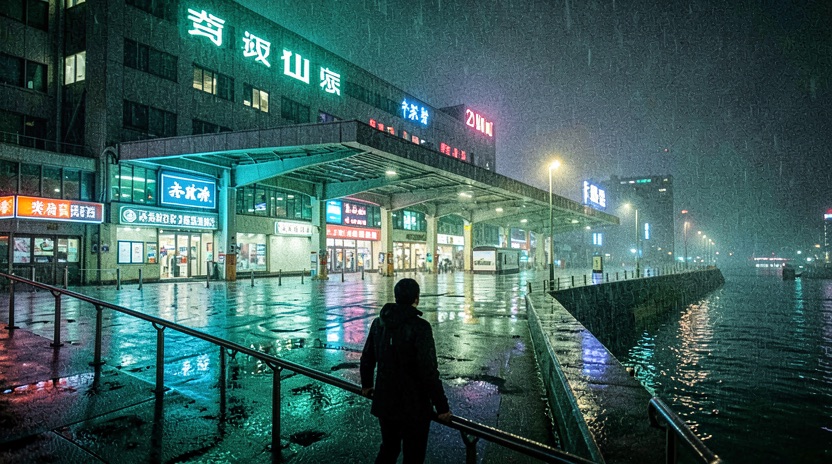
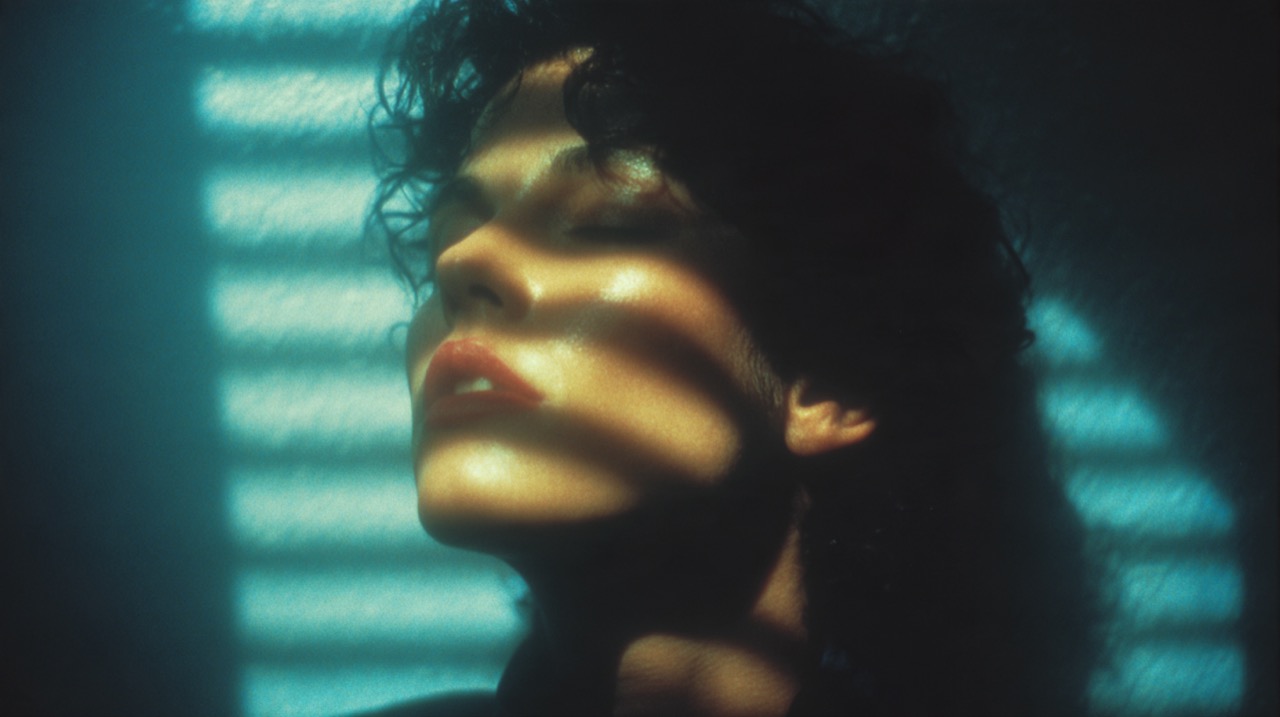
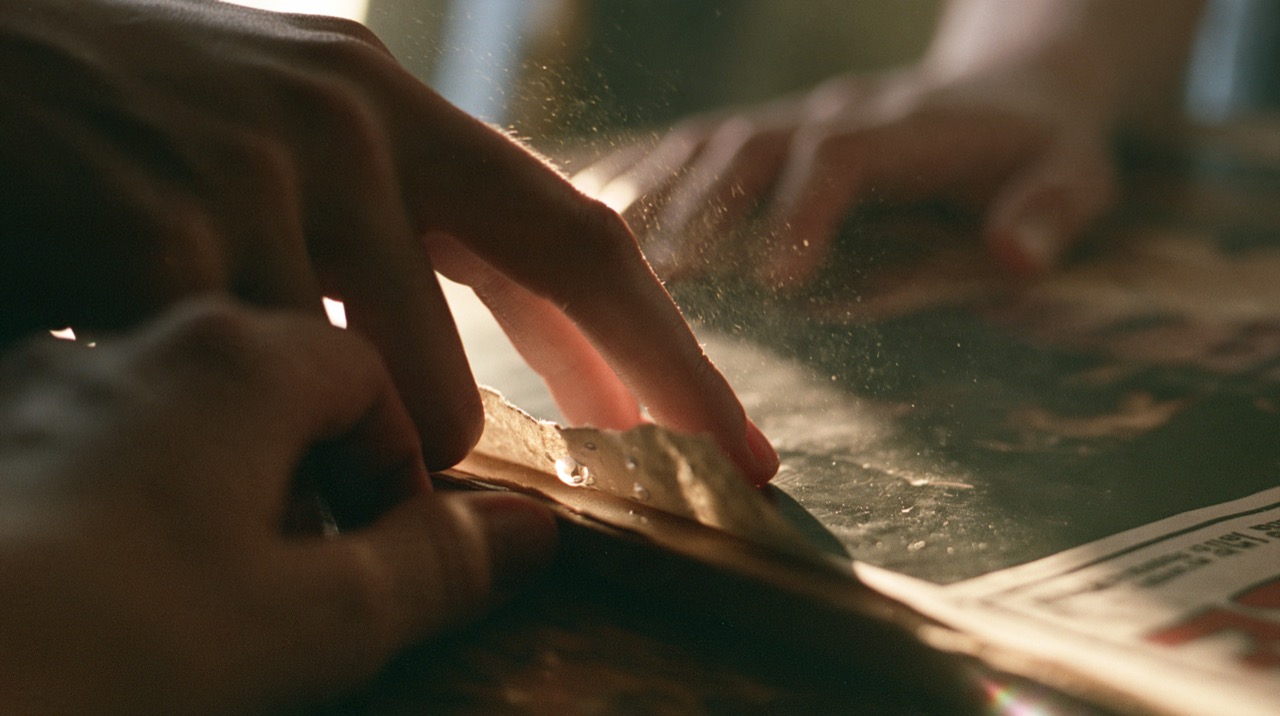
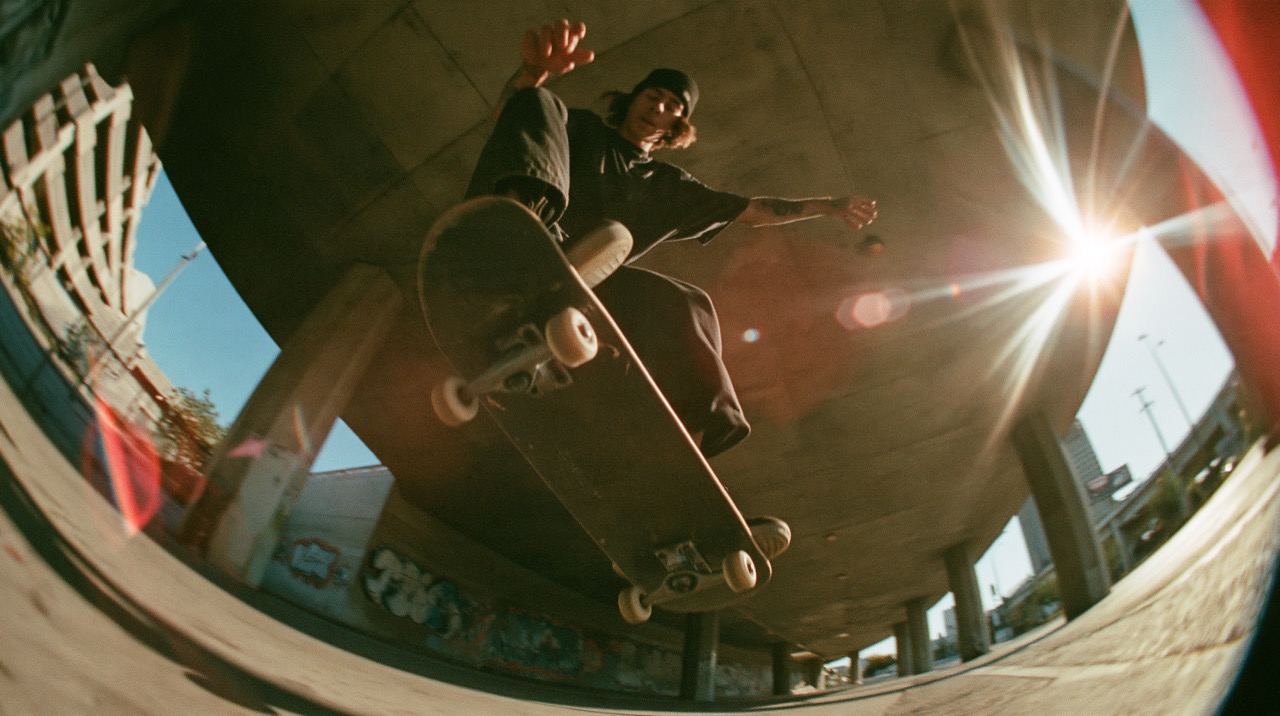
Eight stills, one world: poetic songwriting imagery staged in new-wave video language, in the house sound-tones — ready as book covers, editorial imagery, or music-video start frames. The tones are defined in the twin's how-to; the copy comes from the cognitive twin narrative.
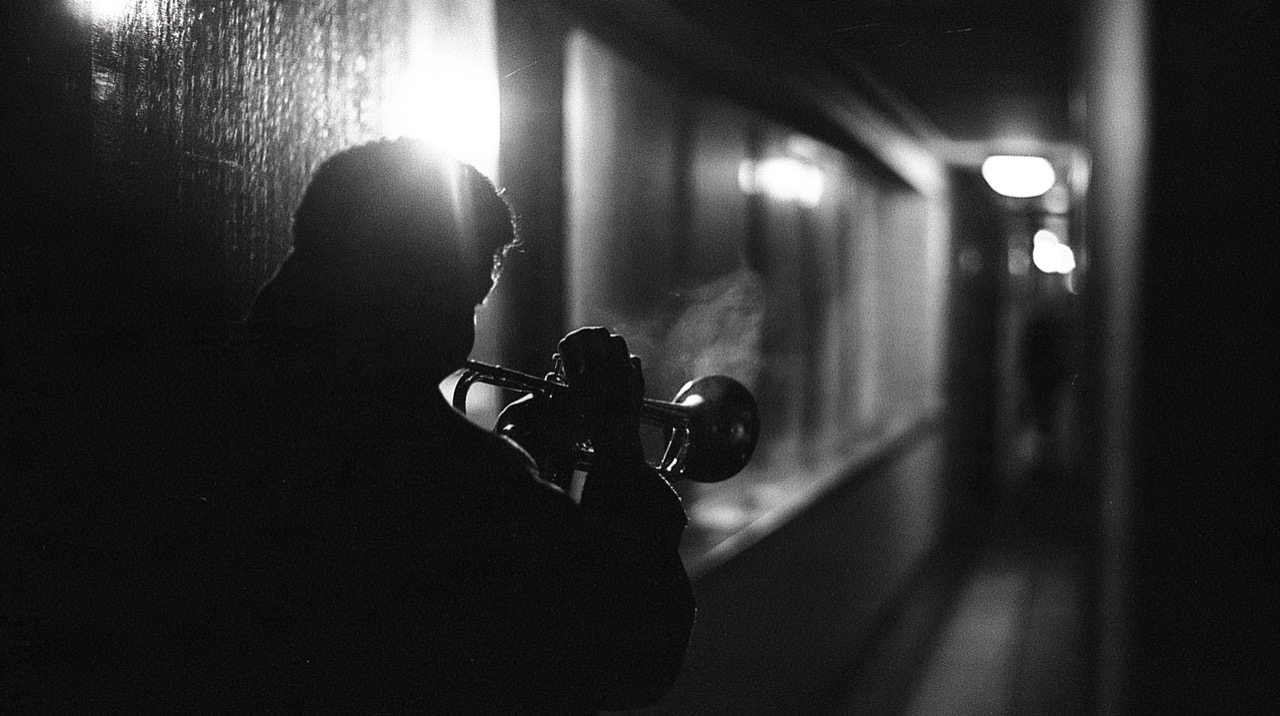
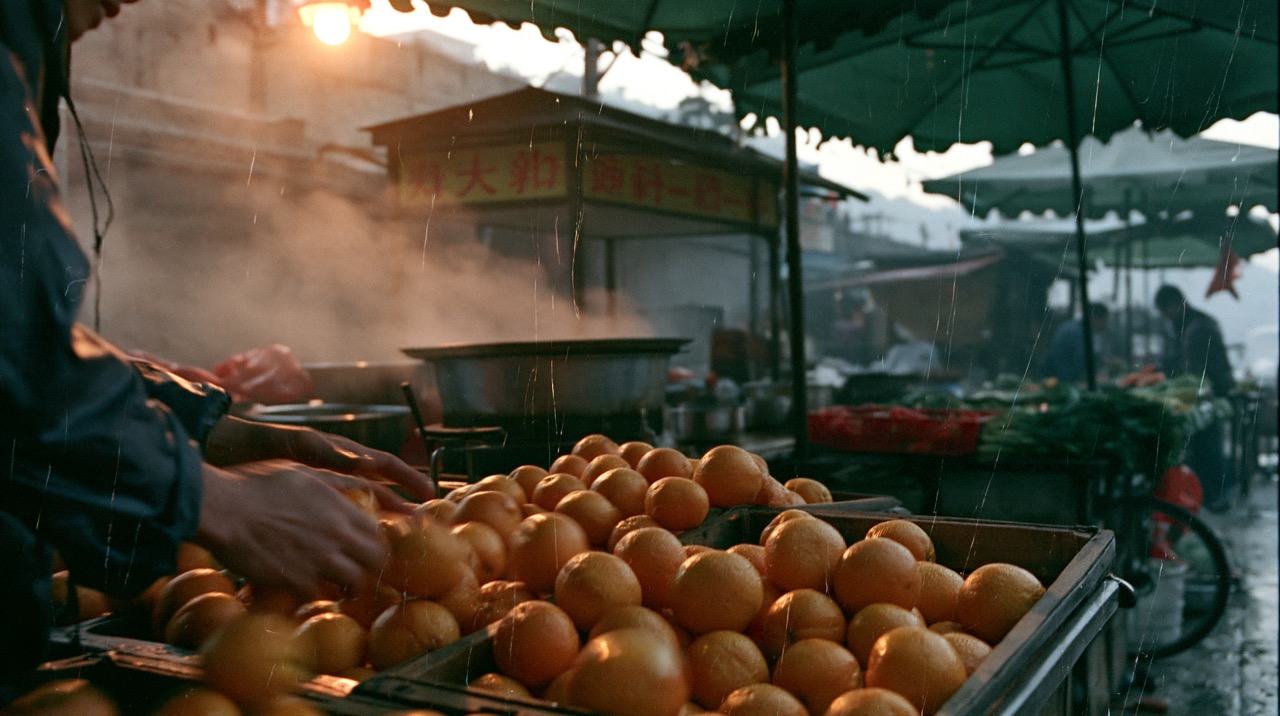
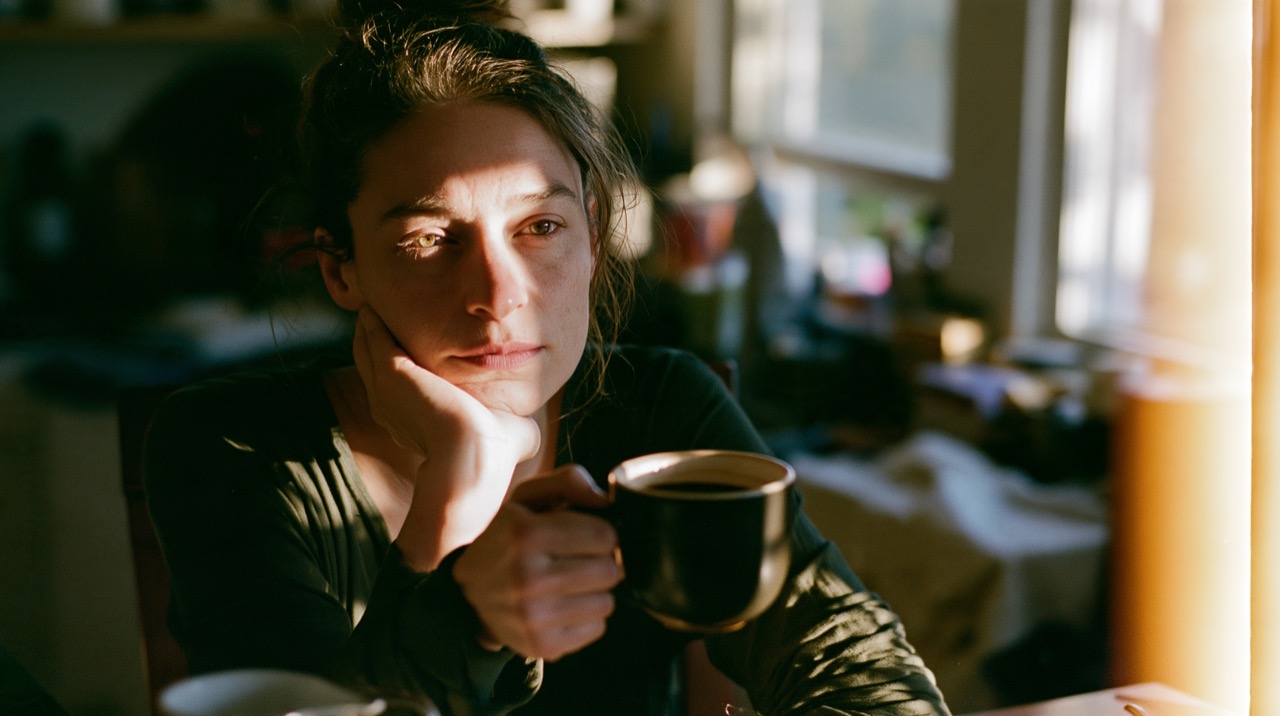
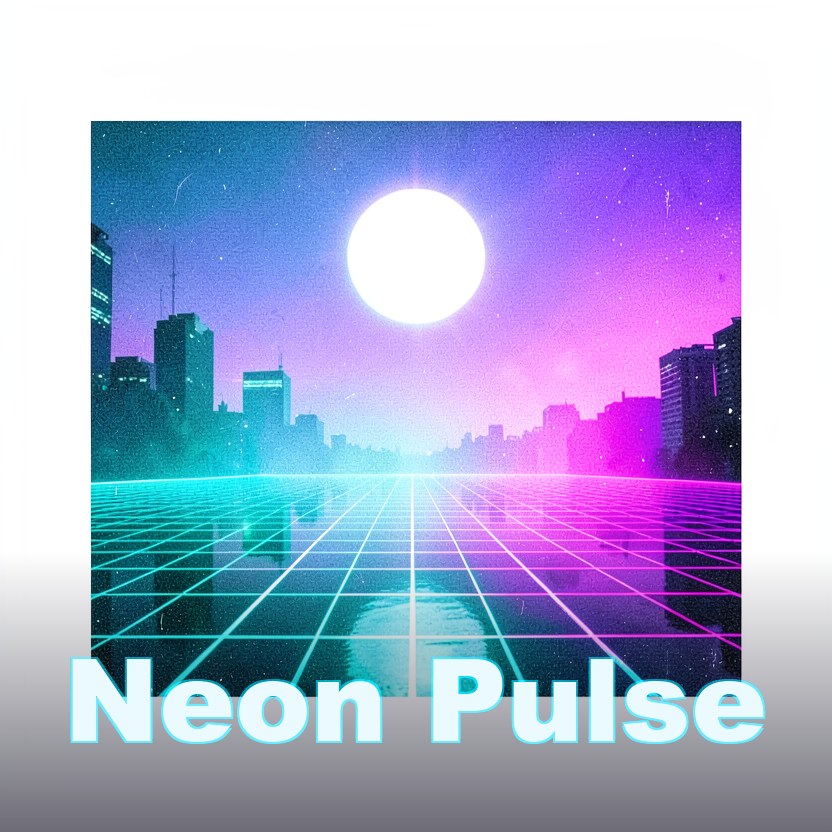
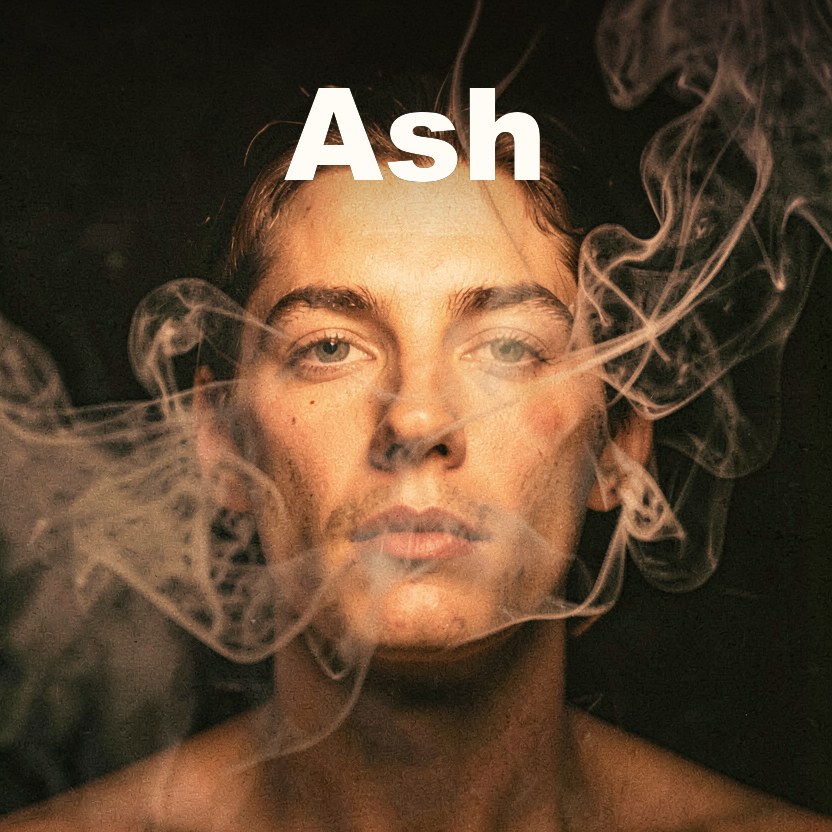
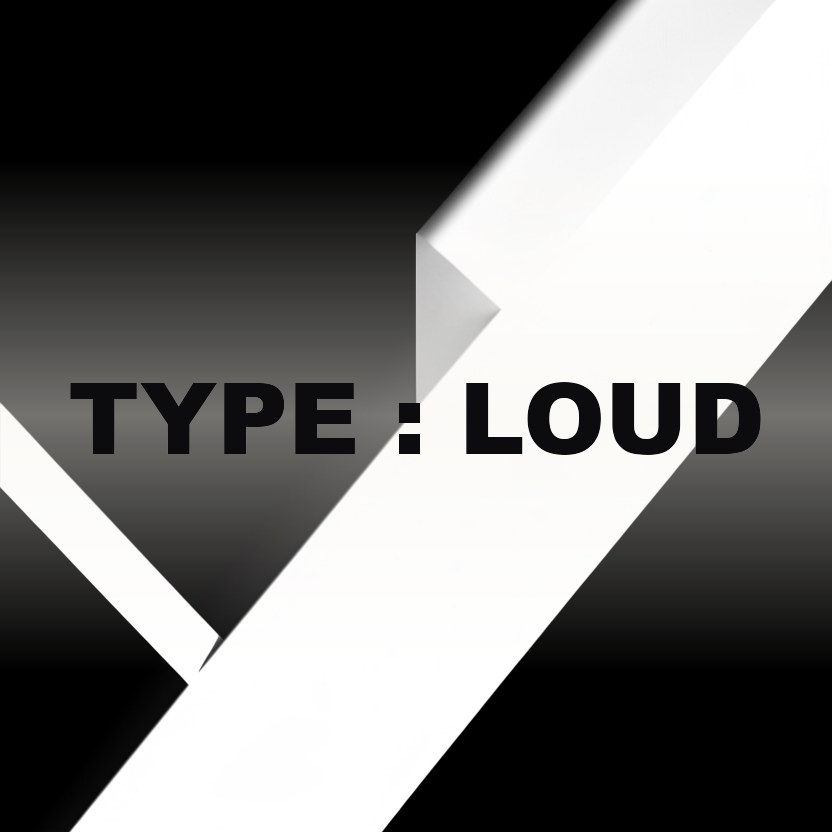
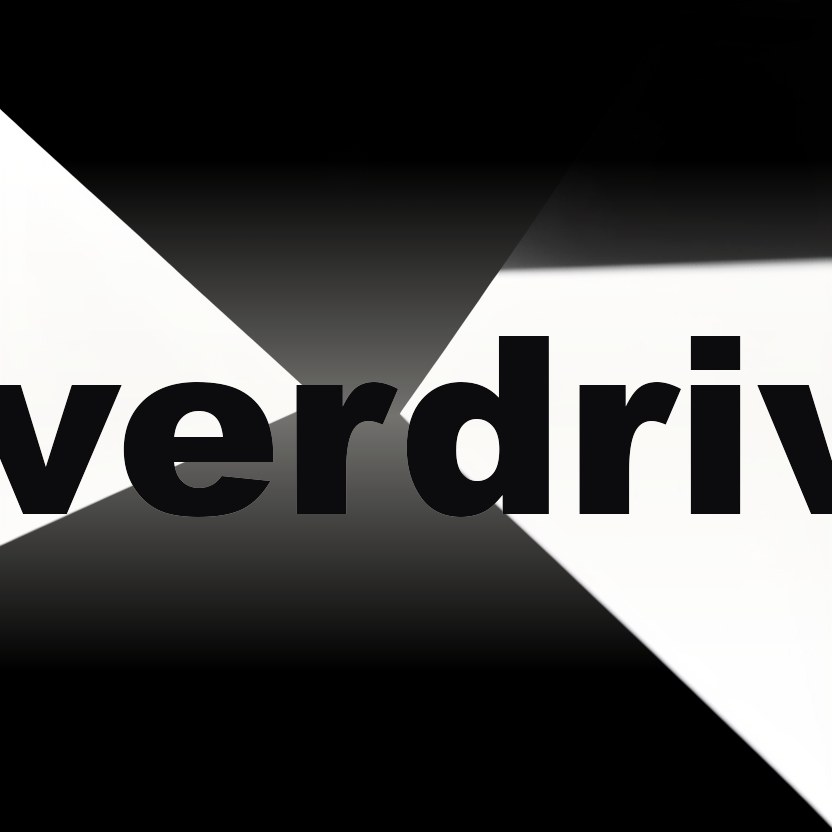
Twelve square covers in three families — the 1:1 arm of the same world. Each family is one prompt run through five seeds (two for the type family), so the variation you see is lighting and composition drift, not a different scene. Rendered locally on FLUX.2 klein-4B, no credits, no network.
How the type is made. Every word you read on these covers is real type, set in layout over the plate (Arial Black). The plates themselves are rendered with no lettering at all, because a diffusion model paints letter-shaped marks rather than composing glyphs — asked for ‘Chrome Heart’ it produces CHIOME HEART. So the subject is generated and the words are not: a cover that has to read correctly gets its lettering from a font. The type family is the composition study underneath; the lockup is done properly.
neon pulse · 5
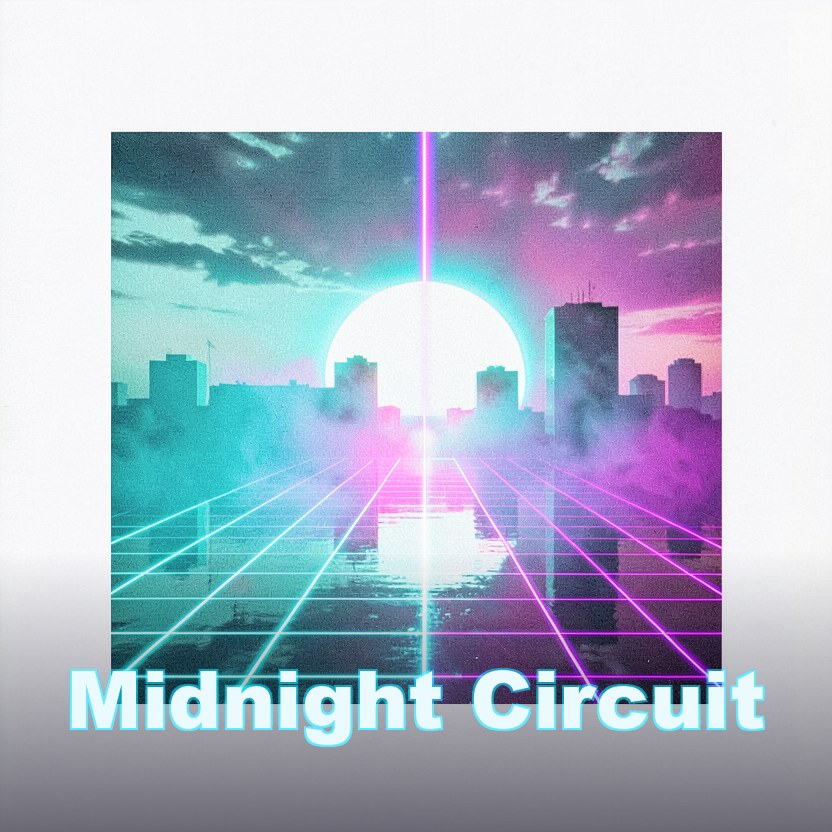
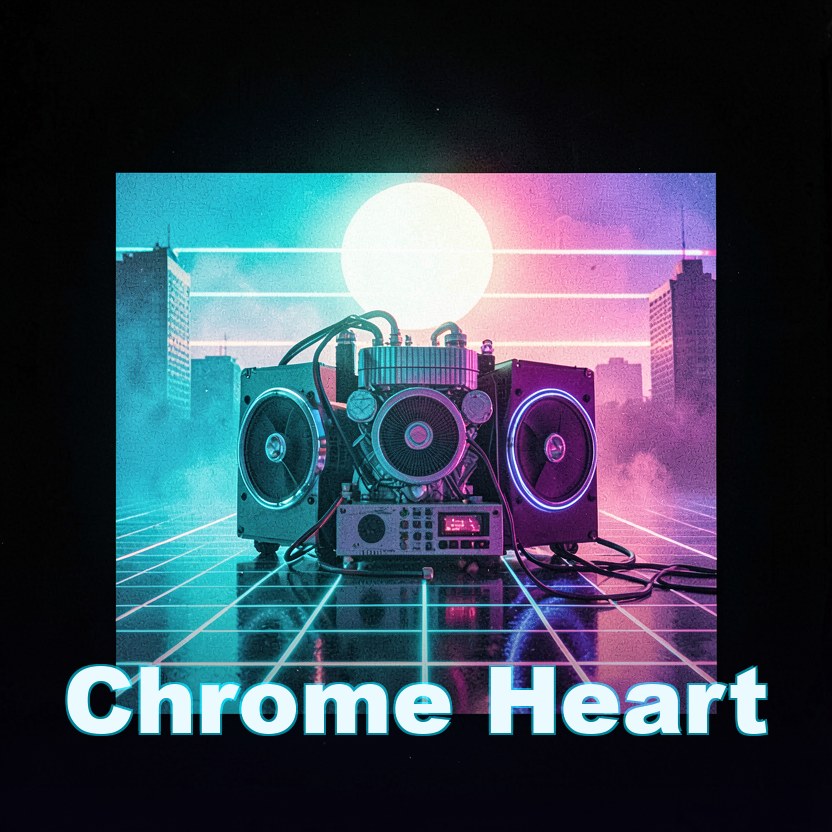
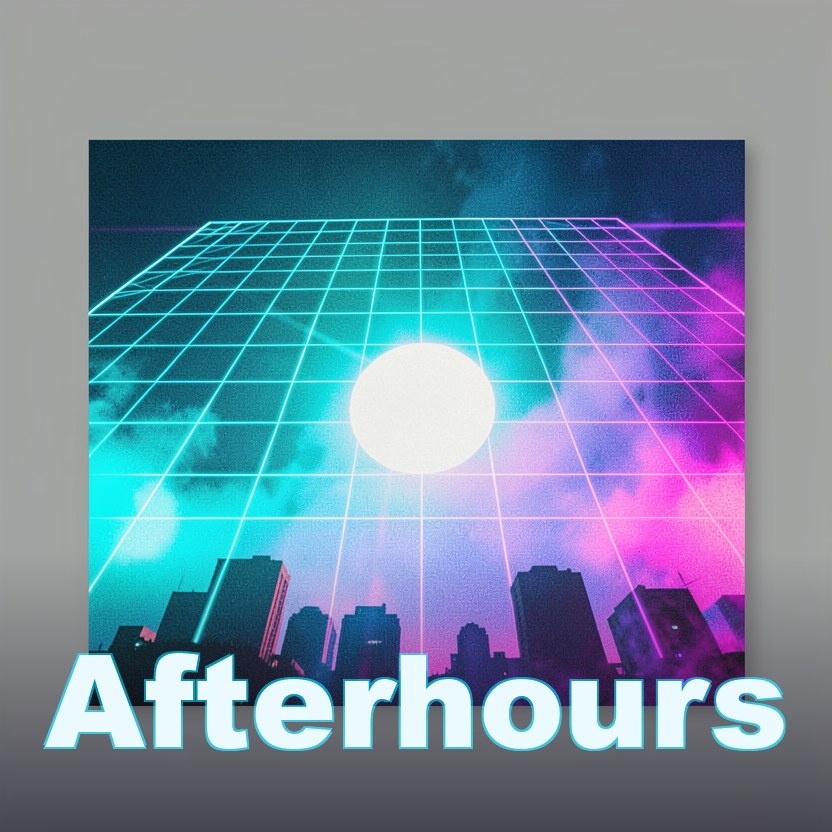
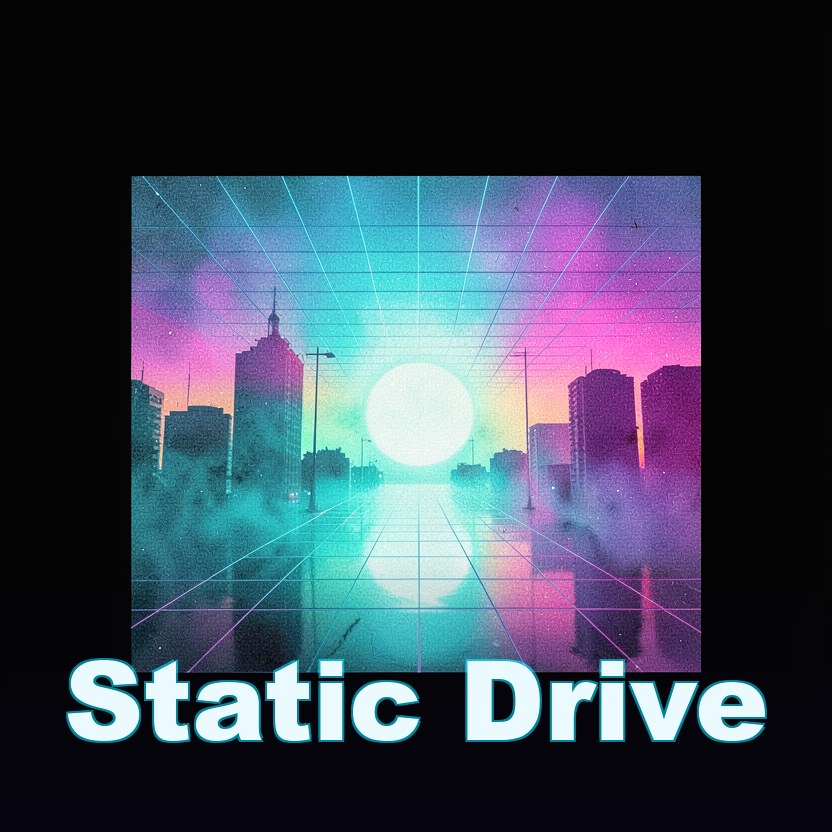
smoke · 5
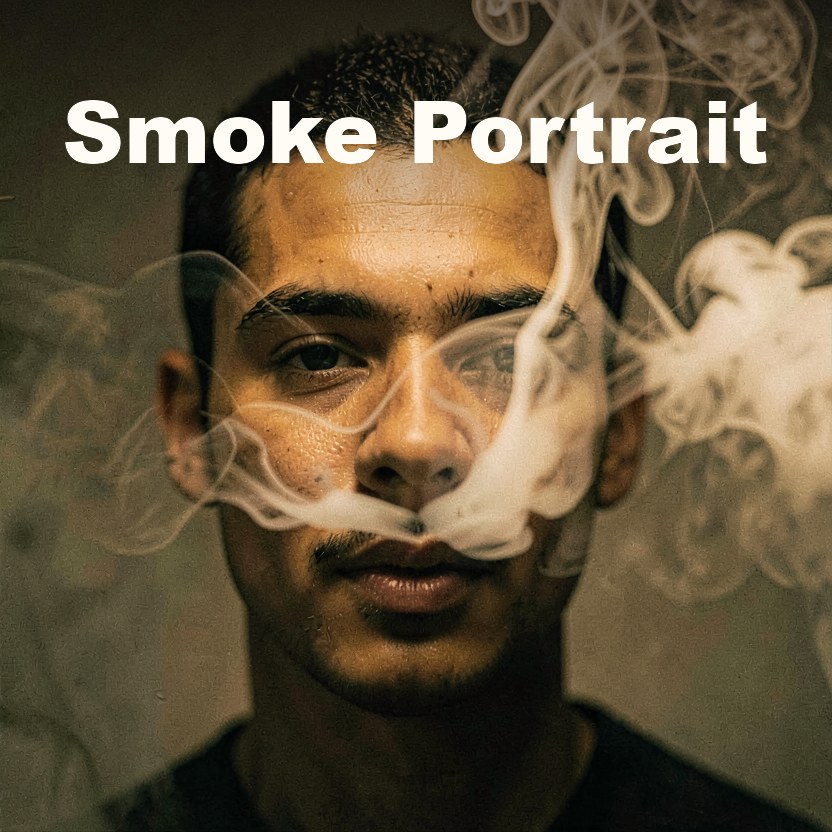
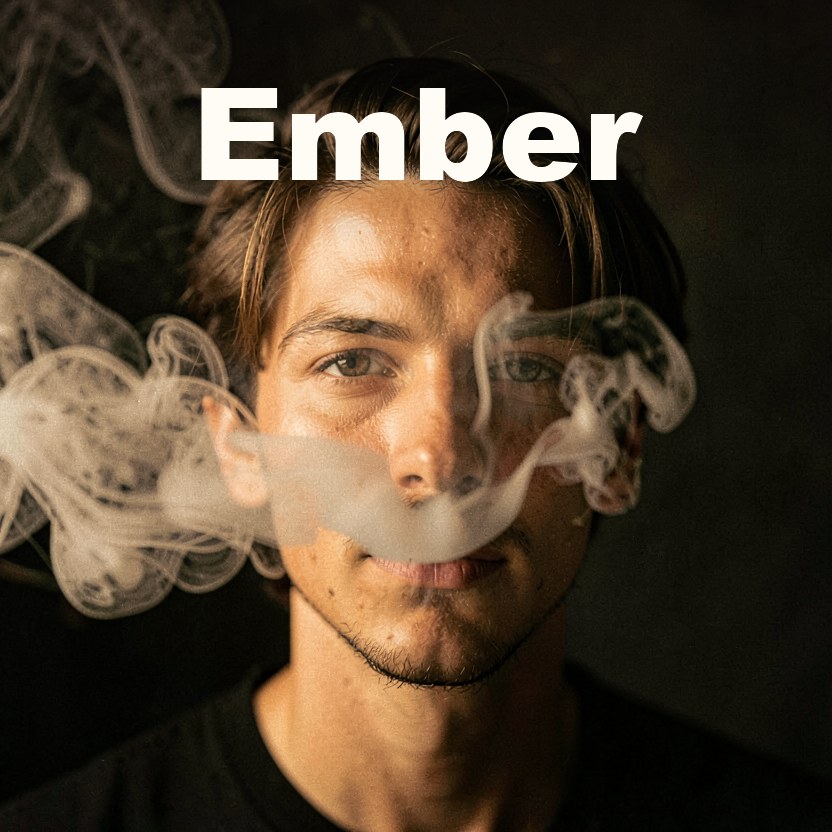
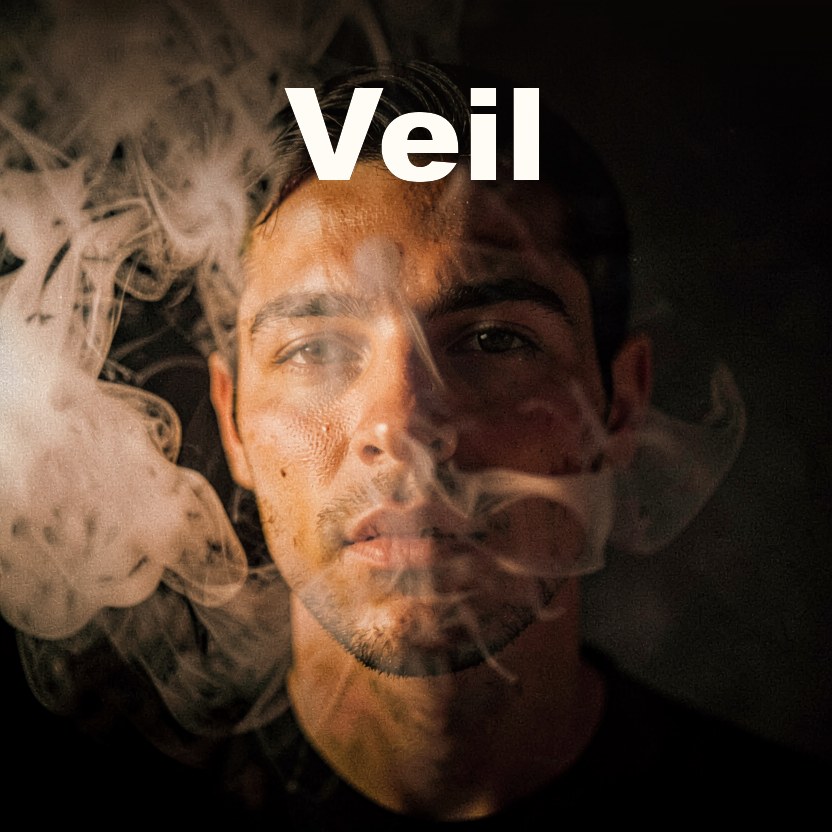
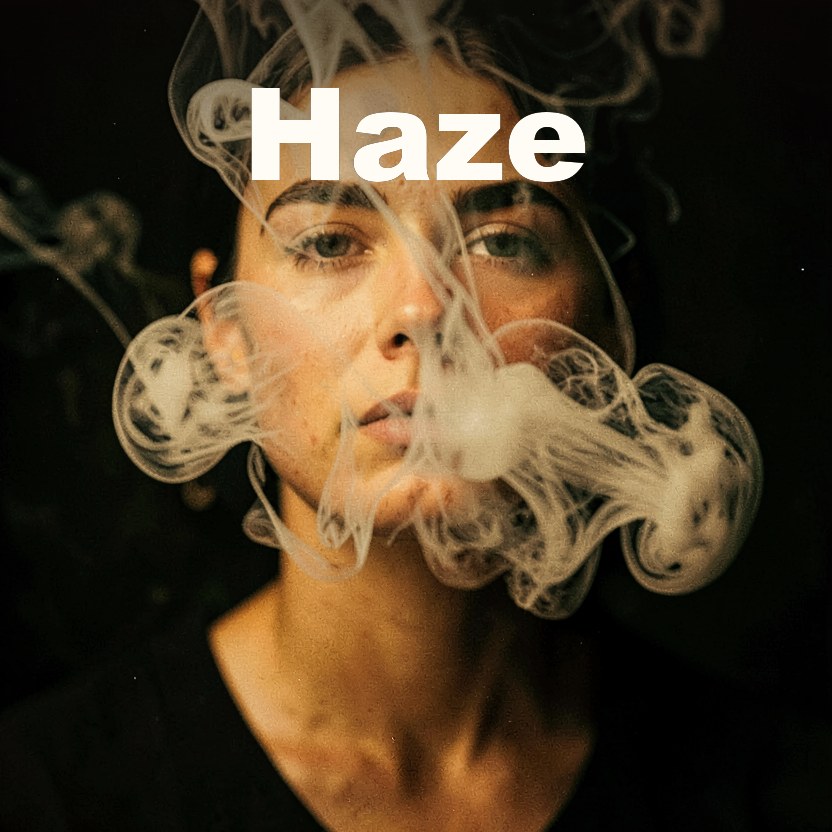
type loud · 2
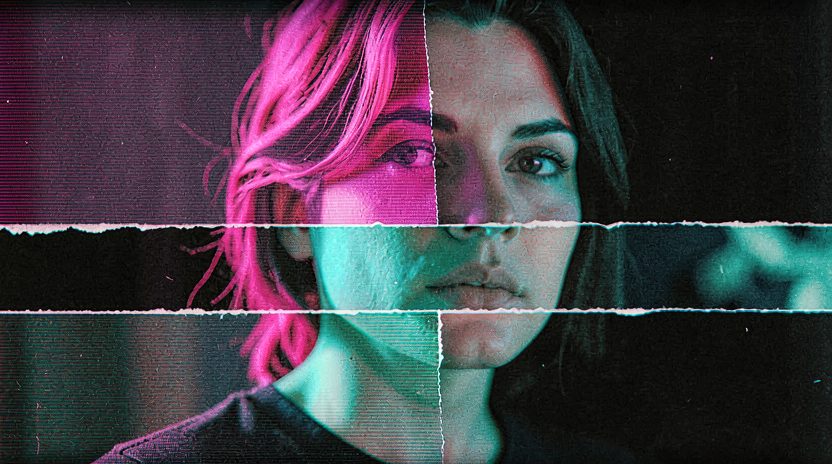
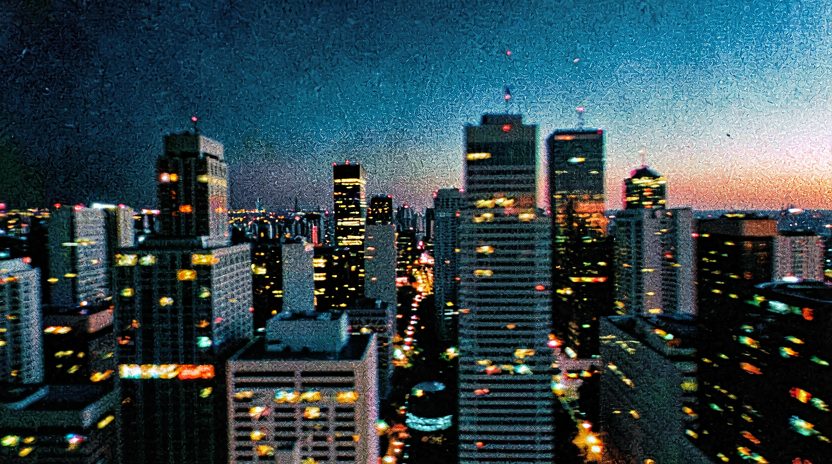
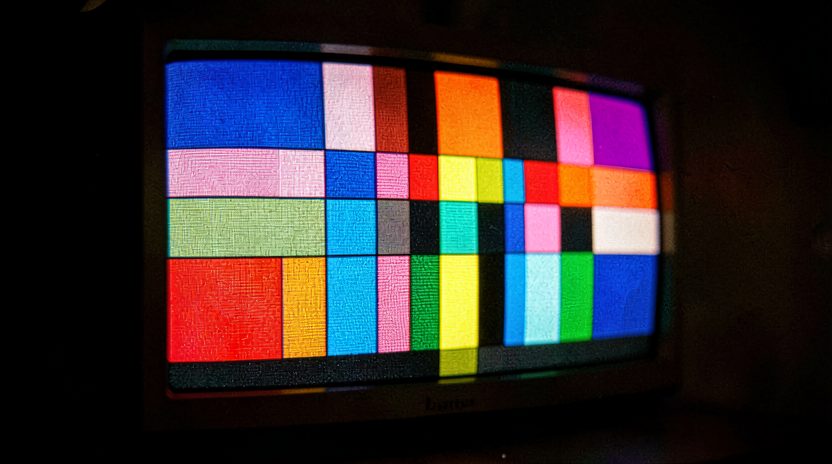
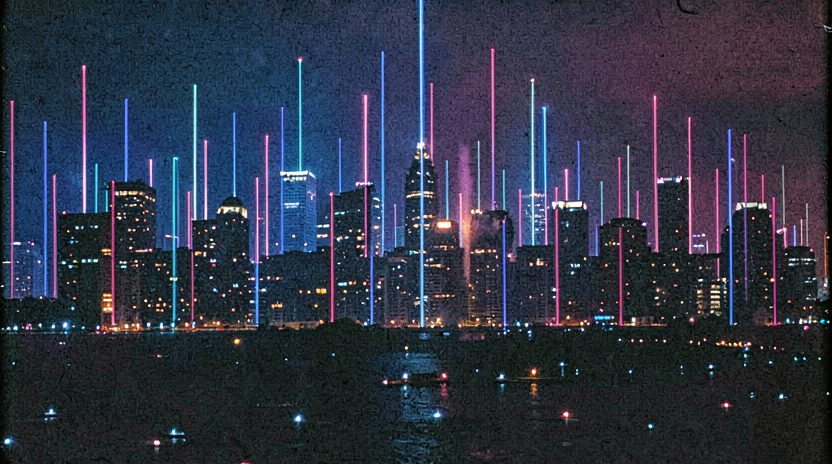
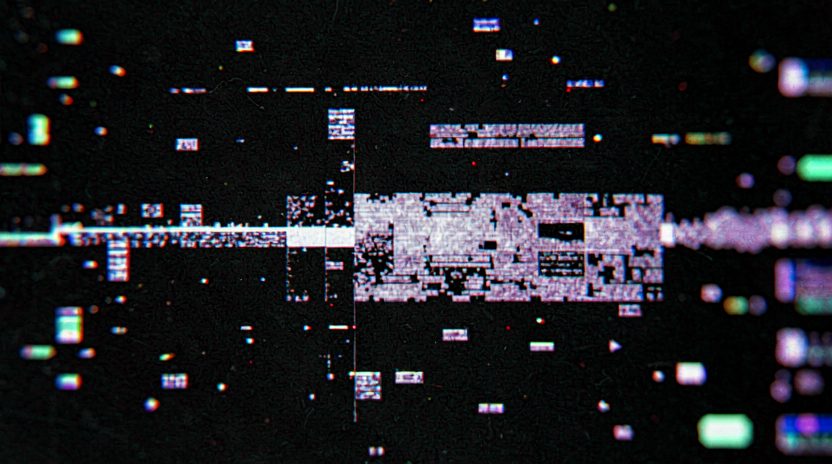
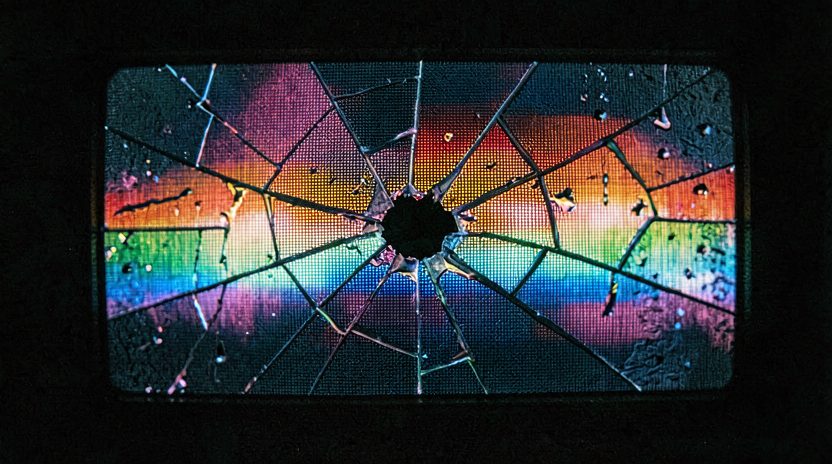
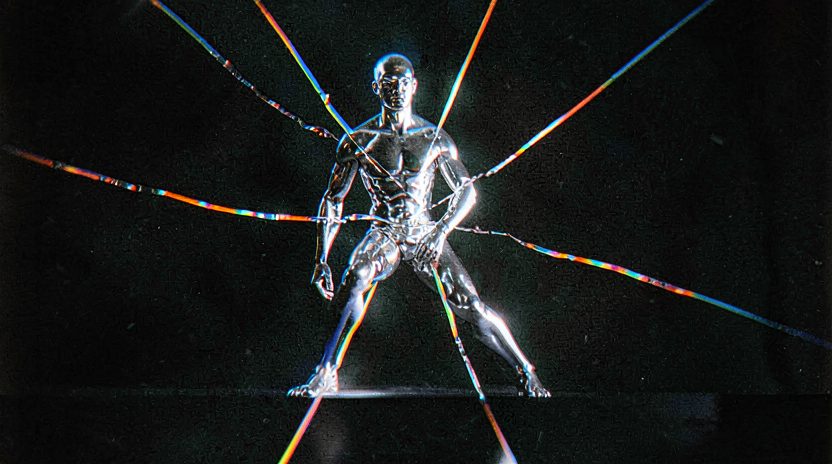
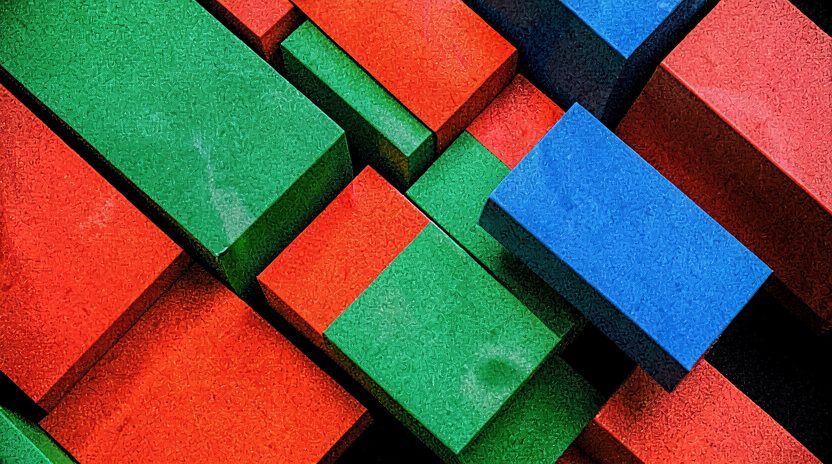
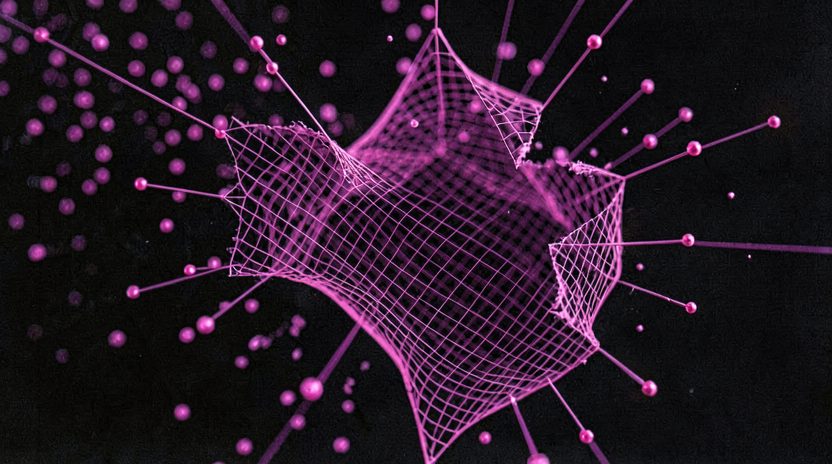
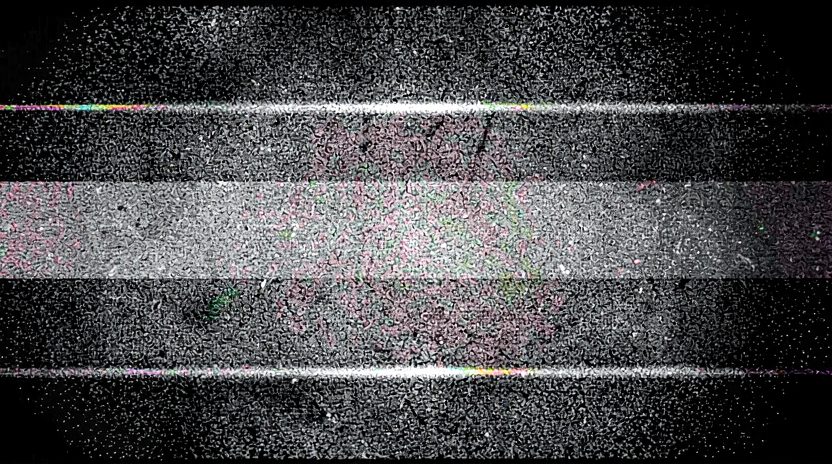
Ten 16:9 plates for the pack card: digital decay, RGB splits, controlled chaos — for experimental, breakcore, glitch and noise artists who break rules on purpose, 100–170 BPM. Rendered locally on FLUX.2 klein-4B (Apple MPS), seeds 9600–9609, 832×464. Unlike the covers above, these are deliberately text-free: no lettering anywhere, on purpose.
system error · 10
One collection a day, rendered on Midjourney and published by the twin's daily run — the same voice as the work above, arriving on its own. Each plate carries the prompt it was made from, so the picture and its caption can always be checked against each other.
The daily run has not published a collection yet — it writes one a day.
A cycle through 186 black-and-white network patterns — city lights, transportation grids, neural webs, molecular structures. Built from the midjourney_session (38) upload with ffmpeg: 6 fps, 31 s, 1472×824.
Why video and not a GIF. The same 186 frames as an animated GIF came out at 155 MB — GIF cost tracks frame count, and high-frequency glitch art compresses badly under LZW. Dropping the frame rate does not help; only fewer frames or smaller frames do. The MP4 is 29 MB for the identical 31 s.